Blog
Sustainable Construction The Role of Recyclable Aluminium in Indias Green Building Movement
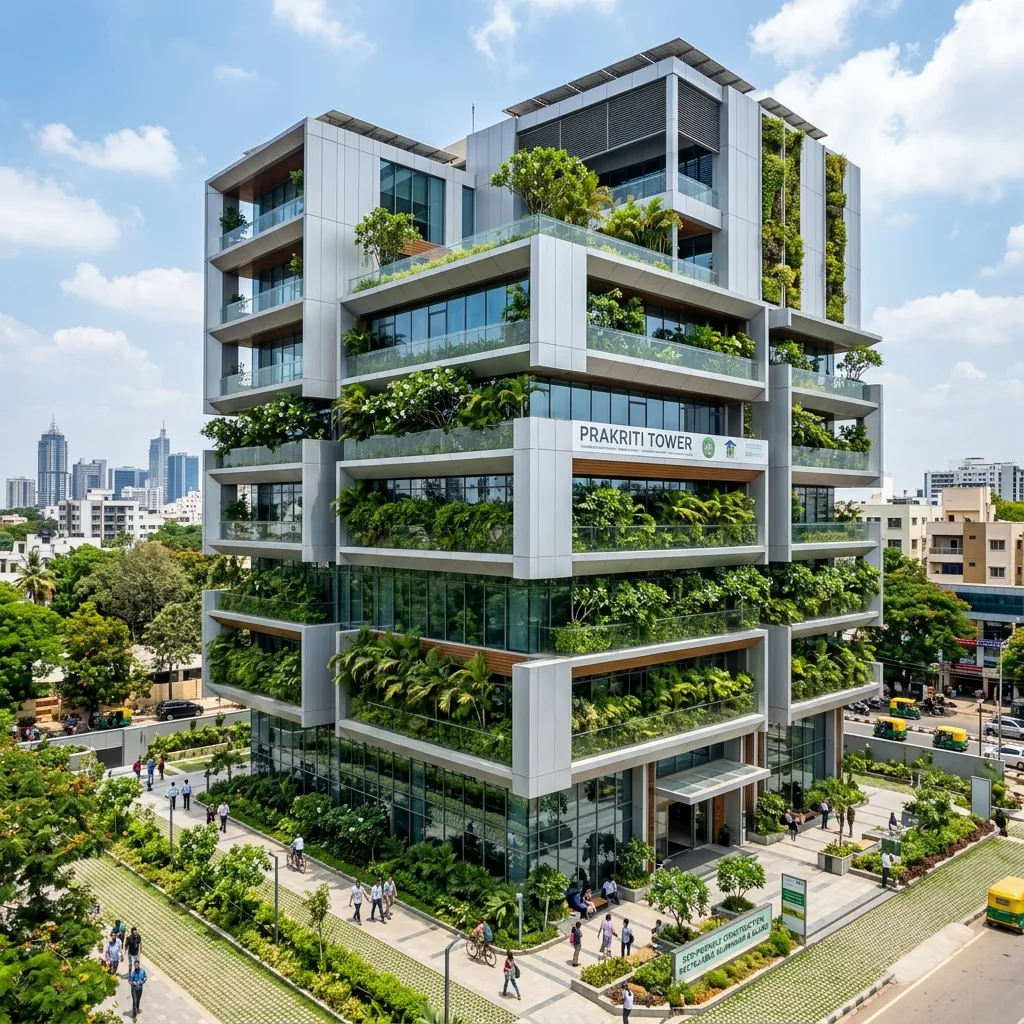
India's rapid urbanization has brought unprecedented economic growth and development, but it has also brought a pressing need for sustainable infrastructure. As our cities expand at a breakneck pace, the environmental impact of construction has become a topic of intense discussion among architects, builders, urban planners, and policymakers. In this evolving landscape, the green building movement in India is no longer just a niche concept or a corporate buzzword; it is a critical necessity for survival and sustainable growth. At the very heart of this sustainable construction revolution is a material that has proven its worth time and time again: recyclable aluminium.
At Premier Aluminium Traders, we are proud to be at the forefront of this movement. As a trusted and authorized dealer of Jindal Aluminium in Delhi, we have witnessed firsthand how high-quality aluminium is fundamentally transforming the way we build. From cutting-edge, energy-efficient commercial complexes in Connaught Place to eco-friendly residential high-rises in Gurgaon and Noida, aluminium is the structural backbone of modern sustainable architecture. But what exactly makes aluminium so essential for green buildings? Why is it universally considered the ultimate eco-friendly building material by industry experts? Let us dive deep into the role of recyclable aluminium in India's green building movement and explore how it is shaping the future of construction in the National Capital Region (NCR) and across the nation.
The Environmental Imperative: Why India Needs Green Buildings Now
India is currently the third-largest carbon emitter globally, and the construction and real estate sector is a significant contributor to these emissions. Traditional building materials like cement and conventional steel, while essential to basic infrastructure, have a massive carbon footprint. The manufacturing processes for these heavy materials consume vast amounts of fossil fuel energy and release substantial greenhouse gases into the atmosphere. Moreover, the operational energy required to cool, heat, light, and ventilate conventional brick-and-mortar buildings adds immensely to this environmental burden over the decades.
Recognizing this impending crisis, the Indian government, alongside prominent organizations like the Indian Green Building Council (IGBC) and the Green Rating for Integrated Habitat Assessment (GRIHA), has been actively promoting sustainable construction practices. The primary goal is to design and operate buildings that minimize environmental impact, conserve natural resources, reduce waste, and provide healthier, more productive living and working spaces for occupants.
In Delhi and the wider NCR, where severe pollution levels, water scarcity, and extreme weather conditions are persistent annual challenges, the adoption of green building principles is particularly crucial. Architects and real estate developers are increasingly seeking advanced materials that not only offer structural integrity and aesthetic appeal but also strictly align with long-term sustainability goals. This is precisely where recyclable aluminium enters the picture as a transformative game-changer.
The Magic of Recyclable Aluminium: A True Cradle-to-Cradle Material
When experts discuss sustainable materials in the modern era, the conversation inevitably turns to the concept of the circular economy. Unlike the traditional linear economy, which follows a destructive "take, make, dispose" model, the circular economy emphasizes continuous recycling and reusing of materials to eliminate waste entirely. Aluminium is undeniably the poster child for this sustainable approach.
Aluminium is 100% recyclable. Unlike many other building materials, such as certain plastics or composite woods, which degrade in quality and structural integrity each time they are recycled, aluminium can be recycled infinitely without any loss of its fundamental physical properties. This remarkable and unique characteristic makes it a true "cradle-to-cradle" material, meaning its lifecycle does not end in a landfill; instead, it is continuously reborn and repurposed for new construction or industrial needs.
The environmental benefits of recycling aluminium are absolutely staggering. Producing recycled aluminium (often referred to as secondary aluminium in the industry) requires up to 95% less energy compared to producing primary aluminium directly from raw bauxite ore. This massive reduction in energy consumption directly translates to a highly significant decrease in greenhouse gas emissions and a much smaller carbon footprint.
For environmentally conscious builders and developers in Delhi and across India, utilizing recycled aluminium means drastically reducing the embodied carbon of their construction projects. When you choose architectural products from an authorized dealer of Jindal Aluminium in Delhi like Premier Aluminium Traders, you are not just purchasing a standard building material; you are actively investing in a sustainable, low-carbon future. Jindal Aluminium’s unwavering commitment to eco-friendly manufacturing ensures that the aluminium profiles and sections used in your projects contribute positively to your overall environmental goals and green building certifications.
Energy Efficiency and Thermal Performance: Keeping India Cool
One of the primary, heavily weighted goals of any certified green building is energy efficiency. In a country like India, where summers can be blistering and prolonged—especially in landlocked regions like Delhi and the NCR—cooling large commercial and residential buildings consumes a massive amount of grid electricity. Air conditioning accounts for a significant portion of a modern building's energy use and operational carbon footprint.
Aluminium plays a critically important role in enhancing a building's thermal performance, primarily through its extensive application in modern facades, curtain walls, windows, and doors. Contemporary aluminium framing systems incorporate advanced thermal breaks—specialized insulating barriers placed strategically between the interior and exterior aluminium profiles. These thermal breaks effectively disrupt and prevent the transfer of heat, keeping the building interiors comfortably cool during the scorching Indian summers and retaining warmth during the chilly winters.
Furthermore, precision-engineered aluminium frames provide the perfect structural support for high-performance, heavy, energy-efficient glazing systems. The exceptional strength-to-weight ratio of aluminium allows for very slim, minimalist profiles that can securely hold large, sweeping expanses of double or even triple-glazed architectural glass. This design capability maximizes the penetration of natural daylighting—drastically reducing the need for artificial lighting during the day—while advanced glass coatings minimize solar heat gain.
By integrating these high-quality, thermally efficient aluminium systems, developers can significantly reduce a building's reliance on power-hungry HVAC (Heating, Ventilation, and Air Conditioning) systems. This dual benefit not only lowers operational utility costs for the occupants but also substantially reduces the overall peak energy demand on the local electrical grid, which is a major win for the environment and a critical assessment aspect of the IGBC, LEED, and GRIHA rating systems.
How Aluminium Contributes to LEED, IGBC, and GRIHA Certifications
For ambitious developers, contractors, and architects in India aiming for prestigious and globally recognized green building certifications like LEED (Leadership in Energy and Environmental Design), IGBC (Indian Green Building Council), or GRIHA (Green Rating for Integrated Habitat Assessment), the choice of construction materials is heavily scrutinized by auditors. Recyclable aluminium scores exceptionally high across multiple assessment parameters in these rigorous rating systems.
Firstly, in the 'Materials and Resources' category, the intentional use of recycled aluminium directly contributes to earning critical points. Since aluminium can be recycled indefinitely, utilizing secondary aluminium significantly boosts a project's overall score for using recycled content, diverting waste from landfills.
Secondly, in the 'Energy and Atmosphere' category, thermally broken aluminium windows, doors, and facade systems play a pivotal role. By drastically improving the building envelope's insulation and reducing the reliance on artificial, energy-intensive cooling and heating, aluminium helps buildings achieve superior high-energy performance, which is a heavily weighted core metric in all recognized green certifications.
Thirdly, the 'Indoor Environmental Quality' metric is significantly enhanced through the use of large aluminium-framed glazed areas. These expansive windows maximize natural daylight penetration and provide occupants with unobstructed views of the outdoors. Numerous studies have proven that access to natural light and outdoor views drastically improves occupant well-being, mental health, and workplace productivity.
By sourcing materials from a reputable and certified authorized dealer of Jindal Aluminium in Delhi, builders ensure they have the necessary technical documentation, material safety data sheets, quality assurance certificates, and supply chain traceability required to pass rigorous certification audit processes smoothly.
Durability and Longevity: Building for the Future
True sustainability isn't just about what a material is made of or how it is initially produced; it is also heavily dependent on how long it lasts in the real world. A building material that degrades quickly and needs to be replaced frequently is inherently unsustainable, regardless of its initial, low environmental footprint during manufacturing.
Aluminium is incredibly and famously durable. It is naturally highly resistant to rust and corrosion, thanks to a thin, invisible, yet highly protective layer of aluminium oxide that forms instantaneously on its surface when exposed to oxygen in the air. This natural elemental protection can be further enhanced and customized through advanced industrial processes like anodizing or architectural powder coating. These finishes not only provide a vast array of aesthetic and color options for architects but also ensure the underlying material can withstand harsh urban weather conditions, heavy acidic pollution, and intense UV radiation without degrading.
In a bustling, rapidly developing metropolis like Delhi, where buildings are constantly exposed to varying degrees of heavy vehicular pollution and extreme seasonal weather fluctuations, the extraordinary durability of aluminium is a massive structural advantage. Aluminium facades, window frames, and structural components require minimal maintenance over their entire lifespan, which can easily extend to several decades. This impressive longevity ensures that the initial environmental cost of manufacturing the material is amortized over a very long operational period, making it a highly sustainable, low-maintenance choice for long-term urban development.
Lightweight Strength: Reducing the Structural Burden
Another critical, yet often overlooked aspect of sustainable structural construction is the sheer weight of the building materials being utilized. Heavy materials require much more substantial foundation support, which inherently means pouring more concrete and utilizing more steel—both of which have exceptionally high embodied carbon footprints. Transporting massive, heavy materials to the construction site also consumes significantly more diesel fuel and generates more harmful transport emissions.
Aluminium offers an exceptional, industry-leading strength-to-weight ratio. It is approximately one-third the weight of conventional steel, yet it can be expertly alloyed with elements like silicon, magnesium, and zinc to achieve incredible structural strength that rivals heavier metals. This lightweight nature makes aluminium vastly easier, safer, and more energy-efficient to transport, handle, and install on-site, accelerating construction timelines.
Moreover, utilizing lightweight aluminium for massive exterior facades, curtain walls, and roofing systems significantly reduces the overall dead load placed on the building's core foundation and primary structural framework. This distinct advantage allows structural engineers and architects to design lighter, more efficient, and often taller structures, ultimately reducing the total volume of carbon-intensive concrete and steel required for the base project. For high-rise commercial buildings in densely populated urban centers like Delhi, this translates to massive cost savings and a substantial, measurable reduction in the building's overall environmental impact.
The Economic Viability of Green Buildings with Aluminium
While the environmental and structural benefits of using recyclable aluminium are abundantly clear, there is also a highly compelling economic argument for its use. Historically, there was a widespread industry misconception that green buildings were significantly more expensive and complicated to construct than traditional buildings. However, as sustainable technologies have scaled and materials like advanced aluminium extrusions have become more mainstream and accessible, the initial cost premium has diminished considerably.
More importantly, the total cost of ownership for a green building utilizing aluminium is substantially lower over its lifecycle. The exceptional energy efficiency provided by high-performance, thermally broken aluminium facades leads to massive, compounding reductions in monthly utility bills over the building's operational lifetime. Additionally, the inherent durability, weather resistance, and low maintenance requirements of aluminium mean building owners face far fewer repair, repainting, and replacement costs compared to wood or UPVC alternatives.
In the highly competitive commercial real estate market of Delhi NCR, certified green buildings also command significantly higher rental yields, attract premium corporate tenants, and boast better overall resale values. Modern corporate tenants and multinational companies increasingly demand sustainable, eco-friendly office spaces that align with their own strict ESG (Environmental, Social, and Governance) corporate goals. Therefore, investing in premium architectural aluminium from Premier Aluminium Traders is not just a sound environmental decision; it is a highly strategic financial investment that yields excellent long-term dividends.
Frequently Asked Questions (FAQs) About Aluminium in Green Buildings
Q1: Why is aluminium widely considered a highly sustainable building material in India? A: Aluminium is considered highly sustainable primarily because it is 100% recyclable without any loss of quality or structural integrity. Recycling aluminium saves up to 95% of the energy required to produce primary aluminium from raw bauxite ore. Furthermore, its lightweight nature reduces transportation fuel emissions, and its incredible durability ensures a very long lifespan, drastically reducing the need for frequent, wasteful replacements.
Q2: How exactly does aluminium help in reducing a commercial building's energy consumption? A: Aluminium is extensively used in modern fenestration (windows and doors) and large-scale facade systems. When equipped with advanced thermal breaks (insulators inside the frame), aluminium frames prevent heat transfer. In India's hot climate, this actively keeps interiors cool, significantly reducing the massive load on air conditioning systems and thereby substantially lowering overall energy consumption and utility costs.
Q3: Is recycled (secondary) aluminium truly as strong as new (primary) aluminium? A: Yes, absolutely. Aluminium does not lose its fundamental physical or chemical properties during the melting and recycling process. Recycled (secondary) aluminium is just as strong, durable, structurally sound, and versatile as primary aluminium, making it perfect for demanding architectural applications.
Q4: Why should I specifically choose Jindal Aluminium for my green building project in Delhi NCR? A: Jindal Aluminium is a recognized market leader known for its incredibly stringent quality control, advanced state-of-the-art manufacturing processes, and deep commitment to sustainability. As an authorized dealer of Jindal Aluminium in Delhi, Premier Aluminium Traders ensures that you receive authentic, high-grade extruded products that meet the rigorous international standards required for green building certifications like IGBC, GRIHA, and LEED.
Q5: Can aluminium components be completely reused if an older building is demolished? A: Yes, this is one of the greatest environmental advantages of aluminium. If a building reaches the end of its useful life and is dismantled, the aluminium components (like window frames and facade panels) can be completely recovered, melted down, and seamlessly repurposed into brand new products, perfectly embodying the core principles of the circular economy.
Premier Aluminium Traders: Your Trusted Partner in Sustainable Construction
As the green building movement in India rapidly accelerates, the demand for high-quality, verified sustainable materials is at an all-time high. Choosing the right, reliable supplier is just as important as choosing the right material itself.
At Premier Aluminium Traders, we deeply understand the critical role we play in this sustainable ecosystem. As a leading authorized dealer of Jindal Aluminium in Delhi, we are steadfastly committed to providing our clients with architectural products that meet the absolute highest standards of quality, performance, and environmental sustainability. Jindal Aluminium is a pioneer in the Indian aluminium industry, widely known for its state-of-the-art manufacturing facilities and rigorous, uncompromising quality control processes.
Whether you are a visionary architect designing a cutting-edge LEED-certified commercial complex, a forward-thinking developer building an eco-friendly residential township, or a skilled fabricator working on modern, high-performance fenestration systems, we have the exact right aluminium solutions for you. Our extensive, well-stocked inventory includes a wide range of Jindal Aluminium extruded profiles, architectural sections, and specialized industrial products to meet any design requirement.
We pride ourselves on our deep, unmatched understanding of the local real estate and construction market in Delhi and the NCR. Our dedicated team of technical experts is always ready to assist you in selecting the optimal aluminium sections for your specific project requirements, ensuring that you achieve the perfect, harmonious balance of architectural aesthetics, structural integrity, and environmental sustainability.
The Future of Urban Development in India
The green building movement in India is not a passing architectural trend; it is the essential, non-negotiable blueprint for our collective future. As we continue to build, develop, and expand our metropolitan cities, we must do so with a deep, unwavering sense of responsibility toward the natural environment and future generations. The choices we make today regarding building materials and construction practices will have a lasting, profound impact on our planet's health.
Recyclable aluminium has proven itself to be an indispensable, highly effective ally in this critical mission. Its infinite recyclability, exceptional energy efficiency, unmatched weather durability, and lightweight structural strength make it the absolute ideal material for modern sustainable construction. By wholeheartedly embracing aluminium, we can create buildings and cities that are not only structurally sound and aesthetically breathtaking but also deeply environmentally responsible.
Conclusion
The vital journey towards a greener, healthier, and more sustainable India requires dedicated collaboration across the entire construction value chain. From material manufacturers and local suppliers to visionary architects, hardworking builders, and end-users, we all have a significant part to play in reducing our carbon footprint.
At Premier Aluminium Traders, we are completely dedicated to supporting the green building movement by supplying top-tier, reliable Jindal Aluminium products to the vibrant and growing construction sector in Delhi. We firmly believe that sustainable construction is the primary key to a healthier, more prosperous future, and we are incredibly proud to provide the high-quality materials that are actively building tomorrow's eco-friendly smart cities.
If you are currently planning a sustainable construction project and are looking for a reliable, knowledgeable partner for your aluminium needs, look no further. Contact Premier Aluminium Traders today, the most trusted authorized dealer of Jindal Aluminium in Delhi, and let us help you bring your ambitious green building vision to life. Together, we can build a sustainable, brilliant future, one recyclable aluminium profile at a time.