Blog
Mastering Commercial Facades: A Deep Dive into Structural Glazing and Curtain Wall Systems
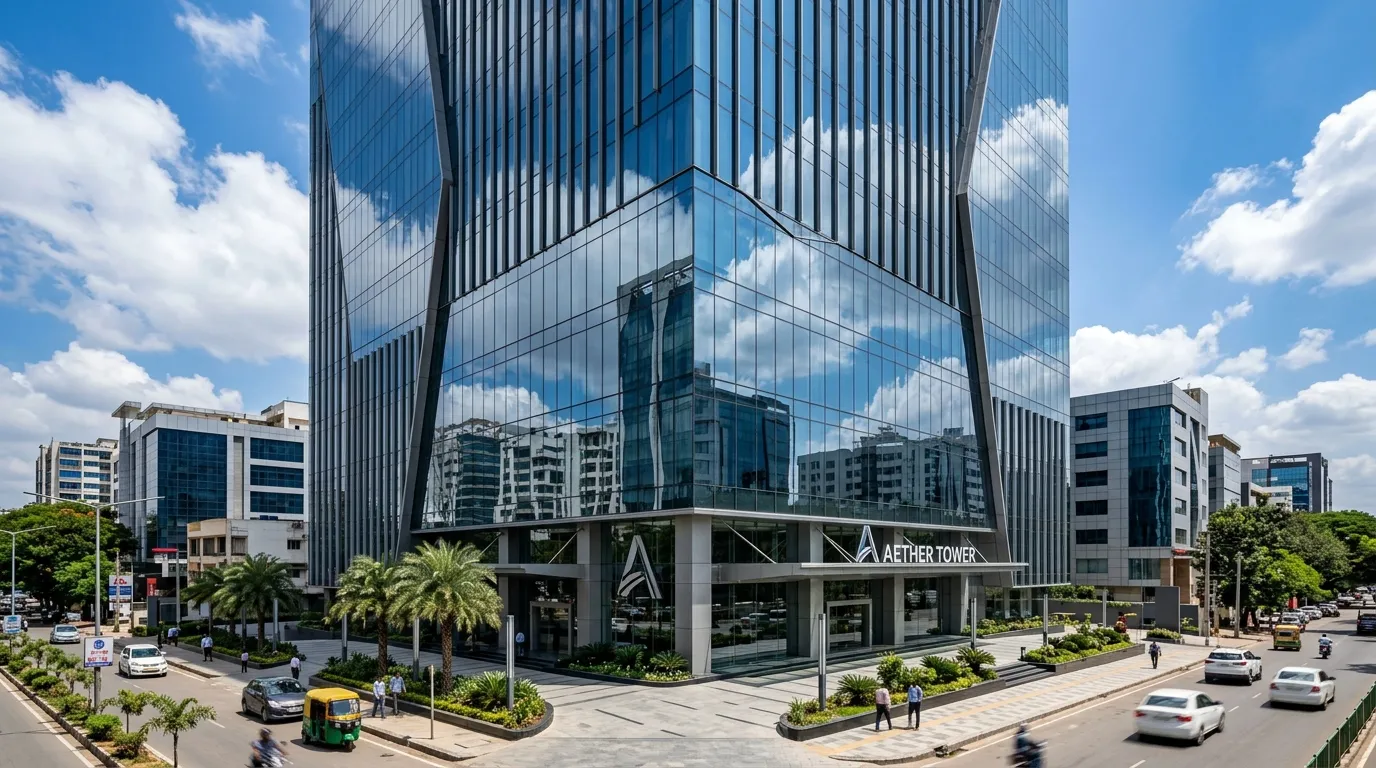
When you walk through the bustling commercial hubs of New Delhi, Noida, or Gurugram, one of the most striking architectural transformations you will notice is the evolution of building facades. The heavy, concrete exteriors of the past have rapidly given way to sleek, transparent, and breathtakingly modern glass and aluminium structures. At the heart of this architectural revolution are two distinct yet related technologies: Structural Glazing and Curtain Wall Systems.
For commercial real estate developers, architects, and business owners in India, the facade is no longer just the protective outer shell of a building; it is a profound statement of brand identity, a critical component of energy efficiency, and a key factor in the overall valuation of the property. The facade dictates how a building interacts with its environment, how it regulates internal temperatures during Delhi's blistering summers and chilly winters, and how it shields occupants from the relentless urban noise.
However, selecting the right facade system for a commercial project is a complex decision that requires a deep understanding of structural engineering, material science, and architectural aesthetics. With so many options available in the market, it is easy to get overwhelmed. This comprehensive guide aims to demystify structural glazing and curtain wall systems, providing you with the knowledge you need to make informed decisions for your next commercial project.
As an authorized dealer of Jindal Aluminium in Delhi, Premier Aluminium Traders has been at the forefront of supplying premium quality aluminium extrusions that form the backbone of these majestic structures. In this deep dive, we will explore the nuances of these systems, compare their benefits, and highlight why choosing the right materials is paramount to the success and longevity of your building's facade.
Understanding the Anatomy of a Modern Commercial Facade
Before we delve into the specifics of structural glazing and curtain walls, it is essential to understand what a facade actually is in the context of modern architecture. A building facade is the exterior envelope or face of a building. In commercial structures, the facade is engineered to be a sophisticated system that performs multiple critical functions simultaneously.
Unlike traditional load-bearing walls made of brick or stone, modern glass and aluminium facades are typically non-load-bearing. This means they do not carry the structural weight of the building itself. Instead, they are designed to support their own weight and withstand environmental loads, such as wind pressure, seismic activity, and thermal expansion, transferring these forces back to the primary building structure.
The primary components of a modern facade system include:
- The Framing System: Typically constructed from high-strength extruded aluminium. This framework provides the structural skeleton of the facade.
- The Infill Panels: These are the materials that fill the spaces between the frames. In commercial buildings, this is usually high-performance architectural glass, but it can also include metal panels, stone veneers, or louvers.
- Sealants and Gaskets: Crucial for ensuring that the facade is completely weather-tight, preventing water and air infiltration.
- Anchorage Systems: The brackets and fasteners that securely attach the facade framework to the building's concrete or steel floor slabs.
Now that we have established the basic anatomy, let us take a closer look at the two most prominent systems used in commercial construction today.
What is a Curtain Wall System? A Detailed Breakdown
A curtain wall system is perhaps the most universally recognized type of modern commercial facade. As the name suggests, it hangs like a "curtain" on the exterior of the building, attached to the floor slabs but not carrying any of the building's dead load.
Curtain walls are designed to span multiple floors, creating a continuous, uninterrupted exterior surface. The framing system of a curtain wall is highly visible from the outside, creating a distinct grid-like pattern that divides the glass panels. This grid can be customized in terms of profile depth, color, and finish, allowing architects to create unique visual textures and rhythms on the building's exterior.
Key Characteristics of Curtain Wall Systems
- Visible Framing: The defining visual characteristic of a standard curtain wall (often called a "capped" curtain wall) is the presence of exterior aluminium pressure plates and decorative caps that hold the glass in place. These caps provide a robust, framed aesthetic.
- Excellent Structural Integrity: Because the glass is physically captured by the aluminium framing on all four sides, capped curtain walls offer exceptional structural stability, making them highly resilient against extreme wind loads.
- Versatility in Design: Curtain walls can easily accommodate various infill materials, including vision glass, spandrel glass (opaque glass used to hide the areas between floors), and metal composite panels. They can also seamlessly integrate operable windows and ventilation louvers.
- Superior Water Management: High-quality curtain wall systems are engineered with a "rain screen principle" and internal drainage channels. Any water that happens to penetrate the primary seals is expertly channeled down and out of the system, keeping the building interior completely dry.
Types of Curtain Wall Systems
When planning a project in Delhi or NCR, you will typically choose between two main methods of curtain wall construction:
- Stick-Built Systems: In a stick-built system, the aluminium frames (mullions and transoms) are highly machined at the factory but assembled piece by piece on the construction site. Once the grid is erected, the glass panels are installed from the outside. This method is highly adaptable and cost-effective for low to mid-rise buildings or projects with complex, irregular geometries.
- Unitized Systems: Unitized systems involve assembling large, interlocking panels (comprising the aluminium frame, glass, and seals) in a controlled factory environment. These massive "units" are then transported to the site and hoisted into place using cranes. Unitized systems offer superior quality control, incredibly fast on-site installation, and are the standard choice for high-rise commercial towers where rapid enclosure is essential.
The Intricacies of Structural Glazing
While a standard curtain wall embraces the visibility of its aluminium framing, structural glazing goes in the completely opposite design direction. Structural glazing (also known as structurally glazed curtain walls or frameless glazing) is a system where the glass panels are bonded to the aluminium framing using highly specialized, high-strength silicone sealants, rather than being held in place by mechanical pressure plates and exterior caps.
The result is a facade that appears as a continuous, uninterrupted expanse of glass. From the outside, the aluminium framing is completely hidden behind the glass, creating a sleek, minimalist, and ultra-modern aesthetic that is highly sought after in premium commercial real estate.
How Structural Glazing Works
In a structurally glazed system, the silicone sealant performs a critical structural role. It is not just there for weatherproofing; it is the primary mechanism that holds the glass to the building. This structural silicone must transfer the wind load and the weight of the glass back to the hidden aluminium mullions and transoms.
Because the silicone is doing the heavy lifting, the manufacturing and installation processes for structural glazing must adhere to exceptionally stringent quality control standards. The aluminium surfaces must be flawlessly prepared and primed before the silicone is applied, ensuring a bond that will last for decades under intense environmental stress.
The Appeal of Structural Glazing
- Unmatched Aesthetic Purity: The completely flush, flush-glass exterior provides a seamless, monolithic appearance that reflects the sky and surrounding cityscape without the interruption of metallic gridlines.
- Enhanced Thermal Performance: Because there are no exterior aluminium caps to act as thermal bridges (pathways for heat to transfer from the outside to the inside), structural glazing can offer superior thermal insulation. This is a massive advantage in Delhi's climate, significantly reducing the load on HVAC systems.
- Maximum Daylighting: With less visible framing, structural glazing maximizes the amount of natural light entering the building, creating brighter, more inviting interior workspaces.
- Easy Maintenance: The smooth, flush surface of a structurally glazed facade is easier to clean and maintain than a capped system, as there are no protruding frames to collect dust, dirt, or rainwater residue.
Structural Glazing vs. Curtain Wall Systems: A Comparative Analysis
Choosing between structural glazing and a traditional capped curtain wall is one of the most significant decisions an architect or developer will make. Let us break down the key differences to help you navigate this choice for your Delhi-based commercial project.
1. Visual Aesthetics
This is the most obvious differentiator. If the architectural vision calls for a bold, grid-like, industrial, or textured appearance, a capped curtain wall is the right choice. The exterior aluminium caps can be customized in various shapes (flat, bullnose, deep profile) and powder-coated in any color to match the brand identity.
Conversely, if the goal is a hyper-modern, sleek, and minimalist aesthetic that emphasizes pure reflection and transparency, structural glazing is the undisputed winner. It offers a clean, flush finish that is synonymous with high-end corporate headquarters and luxury commercial spaces.
2. Installation Complexity and Precision
Standard stick-built curtain walls are relatively straightforward to install on-site. The mechanical capture of the glass using pressure plates is a reliable, time-tested method that allows for some on-site adjustments.
Structural glazing, however, requires a much higher degree of precision and specialized labor. The application of structural silicone must often be done in a controlled factory environment (as seen in unitized structural glazing) to ensure the perfect curing environment. If done on-site (often referred to as 2-sided structural glazing where two sides use silicone and two sides use mechanical caps), the environmental conditions (temperature, humidity, dust) must be strictly managed to prevent bond failure.
3. Cost Implications
Generally speaking, structural glazing is more expensive than standard curtain wall systems. The specialized high-performance structural silicones are costly, and the rigorous factory-controlled fabrication and specialized installation labor drive up the initial capital expenditure.
However, when evaluating costs, developers must look at the total lifecycle cost. The superior thermal performance of structural glazing can lead to substantial energy savings over the building's lifespan. Furthermore, a highly aesthetic, structurally glazed building often commands higher rental yields in premium business districts like Connaught Place or Cyber City, offsetting the higher initial investment.
4. Structural Safety and Resilience
Both systems, when engineered and installed correctly using high-quality materials like Jindal Aluminium, are incredibly safe and capable of withstanding severe weather events and seismic activity.
Capped curtain walls offer an inherent sense of security because the glass is mechanically trapped. In structural glazing, the reliance is entirely on the chemical bond of the silicone. Therefore, rigorous testing (such as adhesion and compatibility tests) and ongoing maintenance inspections are critical for structural glazing to ensure the long-term integrity of the sealant.
The Vital Role of Premium Aluminium: Why Jindal Aluminium Stands Out
Whether you opt for the bold grid of a curtain wall or the sleek expanse of structural glazing, the unseen hero of both systems is the aluminium framing. The aluminium extrusions must possess immense tensile strength, precise dimensional accuracy, and exceptional resistance to corrosion.
This is where the choice of aluminium manufacturer becomes absolutely critical. In the Indian construction industry, Jindal Aluminium is a name synonymous with uncompromising quality, durability, and engineering excellence.
Why Extrusion Quality Matters
The intricate profiles of curtain wall and structural glazing mullions and transoms are created through an extrusion process. The quality of the raw aluminium billet and the precision of the extrusion dies determine the final strength and straightness of the profiles.
Inferior quality aluminium can suffer from structural bowing under heavy wind loads, leading to glass breakage or seal failure. It can also have surface imperfections that compromise the application of powder coating or anodizing, leading to premature corrosion and a degraded appearance.
The Jindal Aluminium Advantage
As an authorized dealer, Premier Aluminium Traders proudly supplies Jindal Aluminium extrusions to top-tier commercial projects across Delhi. Choosing Jindal Aluminium for your facade framing guarantees:
- Unrivaled Alloy Strength: Jindal uses premium-grade primary aluminium to create alloys specifically formulated for architectural load-bearing applications. This ensures that the facade framework will easily handle the massive weight of large glass panels and extreme wind pressures.
- Precision Engineering: Jindal's state-of-the-art extrusion facilities produce profiles with incredibly tight dimensional tolerances. This precision is essential for the perfect alignment and interlocking of unitized facade panels, ensuring airtight and watertight seals.
- Superior Surface Finish: Aluminium must be protected from the elements. Jindal extrusions offer flawless surfaces that are perfectly primed for high-performance powder coating, PVDF coating, or architectural anodizing, guaranteeing that the facade will retain its pristine appearance for decades, even in Delhi's heavily polluted urban environment.
- Sustainability: Aluminium is infinitely recyclable. Jindal Aluminium is committed to sustainable manufacturing practices, making their extrusions an excellent choice for green building certifications like LEED or IGBC.
Transforming Delhi's Commercial Spaces: The Strategic Benefits of Upgrading Your Facade
Investing in a high-quality structural glazing or curtain wall system is not merely a cosmetic upgrade; it is a strategic business decision that yields tangible returns. If you are developing a new commercial property or planning a retrofit of an existing building in the Delhi NCR region, here are the critical benefits you will realize:
1. Mastering Energy Efficiency and Thermal Dynamics
Delhi experiences extreme temperature fluctuations, from scorching 45°C summers to near-freezing winters. A poorly insulated building is a financial black hole, constantly draining resources through excessive air conditioning and heating costs.
Modern facade systems utilize high-performance double-glazed or triple-glazed glass units with Low-E (low emissivity) coatings, combined with thermally broken aluminium frames. A thermal break is an insulating barrier placed inside the aluminium profile that completely stops the transfer of heat or cold. This technology significantly reduces the energy required to maintain a comfortable indoor climate, leading to massive reductions in utility bills and a smaller carbon footprint.
2. Conquering Urban Noise Pollution
Commercial centers in India are notoriously noisy. Traffic, construction, and general urban clamor can severely impact the productivity and well-being of office workers.
Structural glazing and high-end curtain walls, especially those utilizing laminated acoustic glass and tightly sealed unitized systems, provide extraordinary acoustic insulation. They effectively block out the chaos of the city, creating serene, quiet, and highly productive indoor environments—a major selling point for premium corporate tenants.
3. Maximizing Natural Light and Occupant Well-being
There is a growing body of research demonstrating that access to natural daylight and expansive views dramatically improves employee mood, reduces fatigue, and increases overall productivity.
By utilizing large spans of floor-to-ceiling glass, modern facades flood interior workspaces with natural light, reducing the reliance on artificial lighting during the day. This "biophilic" approach to commercial design is rapidly becoming a standard requirement for multinational corporations looking to lease office space in India.
4. Elevating Property Valuation and Brand Prestige
First impressions matter. In the competitive commercial real estate market, a visually stunning, ultra-modern facade immediately communicates prestige, innovation, and corporate success.
A building enveloped in sleek structural glazing is inherently more attractive to high-end tenants, luxury retail brands, and five-star hospitality operators. The enhanced aesthetic appeal and modernized infrastructure directly translate to higher rental rates, increased occupancy levels, and a significantly higher overall property valuation.
Design Trends in Commercial Facades in India (2024 & Beyond)
The architectural landscape in India is constantly evolving. As you plan your facade project, it is essential to stay ahead of the curve. Here are the key trends dominating commercial facade design in 2024 and beyond:
- Dynamic and Kinetic Facades: Moving beyond static glass, we are seeing the integration of automated shading systems and kinetic elements that physically move in response to the sun's position, optimizing daylighting while minimizing solar heat gain.
- Integration of Smart Glass: Electrochromic or "smart glass" that can change its tint or opacity at the touch of a button (or automatically via building management systems) is gaining immense popularity in premium executive suites and boardrooms, eliminating the need for internal blinds.
- Biophilic Design Integration: Architects are increasingly finding ways to integrate nature directly into the facade. This includes incorporating vertical gardens, planted terraces, and organic material textures into the exterior envelope, softening the hard lines of glass and metal.
- Hyper-Customized Extrusions: Developers are moving away from standard, off-the-shelf aluminium profiles. They are working with suppliers like Premier Aluminium Traders to create custom Jindal Aluminium dies that allow for highly unique, signature framing designs that differentiate their buildings from the rest of the skyline.
Choosing the Right Partner for Your Facade Project
The success of a structural glazing or curtain wall installation relies heavily on the synergy between the architect, the fabricator/installer, and the material supplier. Using inferior materials or inexperienced labor can lead to catastrophic failures, severe water leakage, and massive financial liabilities.
For builders and developers in Delhi, partnering with a reliable, established supplier is the first and most crucial step.
Premier Aluminium Traders: Your Trusted Material Partner
As a leading authorized dealer of Jindal Aluminium in Delhi, Premier Aluminium Traders (pscaluminium.com) brings decades of expertise to the commercial construction sector. We do not just supply metal; we provide comprehensive material solutions.
When you partner with us for your facade requirements, you gain access to:
- The Complete Range of Jindal Architectural Sections: Ensuring you have exactly the right profiles for your specific structural design, whether it's a standard curtain wall or complex structural glazing.
- Unwavering Authenticity: In a market plagued by counterfeit materials, we guarantee 100% genuine Jindal Aluminium, backed by complete material test certificates.
- Expert Technical Consultation: Our team understands the nuances of facade engineering. We assist architects and fabricators in selecting the optimal alloy and profile thicknesses to meet the specific wind load and structural requirements of their projects in the NCR region.
- Reliable Supply Chain: Large commercial projects run on strict timelines. Our extensive warehousing capabilities and robust logistics ensure that your materials are delivered on-site, exactly when you need them, preventing costly construction delays.
Frequently Asked Questions (FAQs)
As search engines and AI assistants become smarter, users are asking highly specific questions. Here are clear, authoritative answers to the most common queries regarding commercial facades in India.
1. What is the average lifespan of a structural glazing system? When engineered with high-quality aluminium frames (like Jindal), premium architectural glass, and industry-leading structural silicone sealants, a structurally glazed facade can easily last 30 to 50 years or more. However, the structural silicone joints should be professionally inspected every 10 to 15 years to ensure the bond remains fully intact and resilient.
2. Are glass curtain wall systems safe during earthquakes? Yes, absolutely. Modern curtain wall and structural glazing systems are specifically engineered to accommodate the lateral movements and inter-story drift that occur during seismic events. The aluminium framing is designed to flex slightly, and there are deliberate clearances around the glass panels within the frame to prevent the glass from shattering under immense pressure. It is crucial, however, that the facade is engineered specifically for the seismic zone of your city (Delhi falls in Seismic Zone IV, which is a high-risk zone).
3. What is the difference between stick-built and unitized curtain walls? In a stick-built system, the aluminium framing is assembled piece-by-piece directly on the building site, and the glass is installed later. It is highly flexible but labor-intensive on-site. In a unitized system, large sections of the facade (frame, glass, and seals) are completely assembled in a factory, transported to the site, and hoisted into place. Unitized systems offer better quality control and much faster installation, making them ideal for high-rise commercial towers.
4. Can structural glazing be installed on older, existing commercial buildings? Yes, this process is known as facade retrofitting or over-cladding. Upgrading an older concrete building with a modern structurally glazed facade is an excellent way to dramatically improve its aesthetic appeal, boost its energy efficiency, and significantly increase its market value. The existing structure must be carefully assessed by structural engineers to ensure it can support the new anchorage systems.
5. Why should builders in Delhi insist on Jindal Aluminium for their facades? Jindal Aluminium represents the gold standard for extrusion quality in India. For critical structural applications like curtain walls, the aluminium must have exact dimensional tolerances, exceptional tensile strength, and flawless surface finishes for coating. Jindal guarantees these parameters, ensuring the facade is safe, durable, and capable of withstanding Delhi's high wind loads and corrosive urban environment. Sourcing from an authorized dealer like Premier Aluminium Traders ensures material authenticity.
Conclusion
The facade is the face your commercial building presents to the world. It is a complex synthesis of engineering, art, and environmental science. Whether you choose the robust, articulated aesthetic of a capped curtain wall or the sleek, seamless elegance of structural glazing, the quality of the underlying materials will dictate the long-term success of the project.
By understanding the distinct advantages of each system and insisting on premium components like Jindal Aluminium extrusions, developers and architects can create stunning, highly efficient, and enduring commercial landmarks that redefine the urban skyline.
If you are embarking on a commercial facade project in New Delhi, Gurugram, Noida, or the wider NCR region, ensure your foundation is built on uncompromising quality. Contact Premier Aluminium Traders today to source the finest Jindal Aluminium architectural sections for your next masterpiece.