Blog
Top 7 Trends in Architectural Aluminium Doors and Windows for 2026
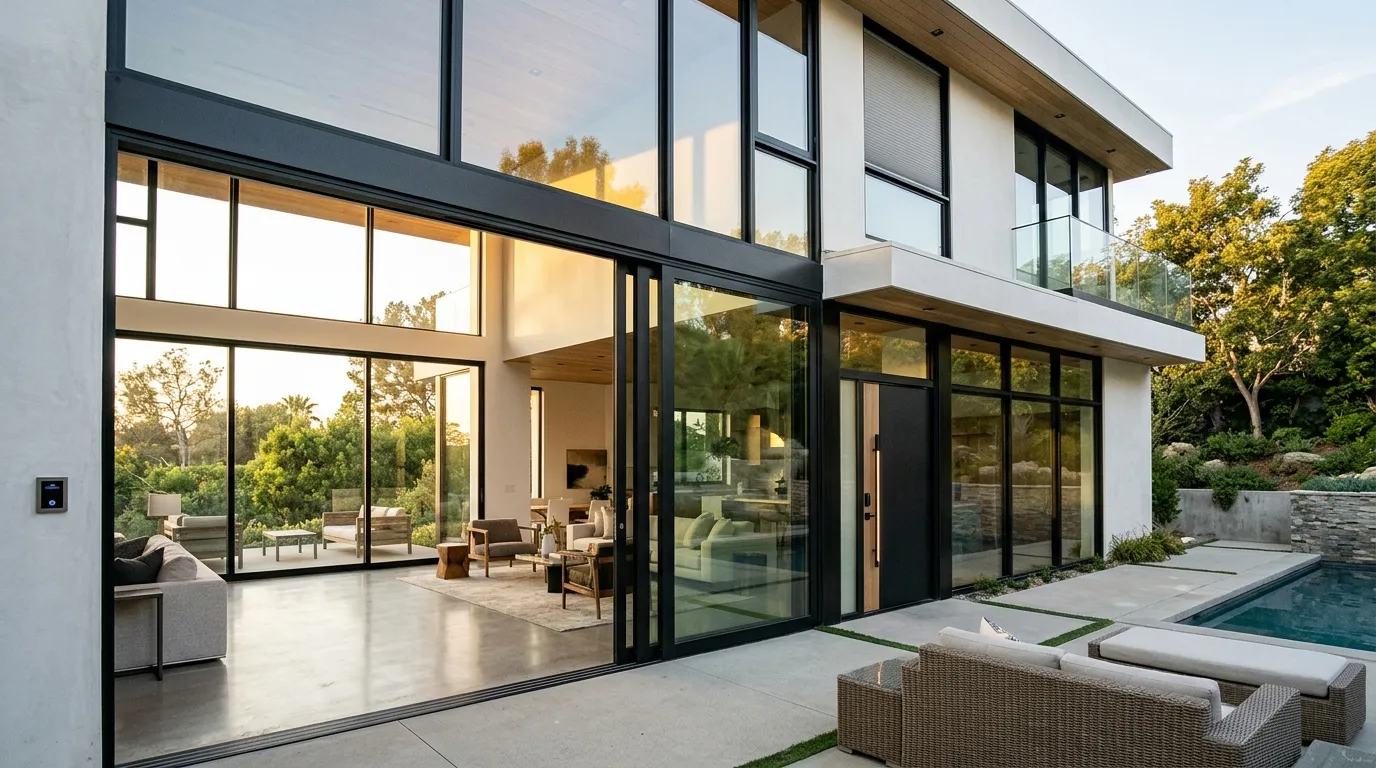
As the architectural landscape in India rapidly evolves, particularly in bustling, progressive metropolitan hubs like Delhi NCR, the demand for sophisticated, durable, and highly functional building materials has reached unprecedented heights. Among these critical materials, aluminium doors and windows have firmly established themselves as the indisputable frontrunners in modern, sustainable architecture. If you are an architect pushing the boundaries of design, a luxury builder creating landmark properties, or a discerning homeowner embarking on a construction or renovation project in 2026, understanding the latest advancements in architectural aluminium is not just a matter of aesthetics—it is a critical, long-term decision that impacts energy efficiency, structural security, acoustic comfort, and the overall value of your real estate investment.
In this comprehensive, deep-dive guide, we thoroughly explore the Top 7 Trends in Architectural Aluminium Doors and Windows for 2026. Brought to you by Premier Aluminium Traders, a leading, trusted authorized dealer of Jindal Aluminium in Delhi, this post explores how the fenestration industry is continuously innovating to meet modern challenges. From the rise of ultra-slim profiles that offer unobstructed panoramas to intelligent smart home integrations that redefine convenience, we will cover everything you need to know to make an informed, future-proof choice for your next architectural project.
The Evolution of Fenestration in India: Why Aluminium Dominates
Before we dissect the specific trends defining 2026, it is essential to understand the historical context and why aluminium continues to utterly dominate the premium fenestration industry. For decades, traditional materials like wood and early generations of uPVC had their moments in the spotlight. However, the extreme climatic conditions characteristic of cities like Delhi—experiencing blistering summer heatwaves that frequently cross 45°C, torrential monsoon downpours, and near-freezing winter nights—demand a material that offers unparalleled structural integrity and dimensional stability.
Aluminium, especially high-grade extruded profiles manufactured by industry titans like Jindal Aluminium, provides exceptional strength-to-weight ratios. Unlike timber, it does not warp, rot, swell, or fall victim to termite infestations under varying weather conditions. Unlike older uPVC, it does not become brittle, sag under its own weight, or discolor when subjected to years of intense UV radiation. Furthermore, with recent breakthroughs in thermal break engineering and highly resilient surface finishes, modern aluminium windows and doors now deliver exceptional insulation metrics that rival or surpass any other material on the market.
As a deeply integrated local partner in the Delhi building materials ecosystem, Premier Aluminium Traders has witnessed firsthand this massive paradigm shift among leading architects, interior designers, and real estate developers. There is a solid, data-backed consensus that investing in premium aluminium systems is not an operational expense but a long-term capital asset that vastly enhances the living experience, environmental footprint, and resale value of a building.
Now, let us examine the specific trends and technological leaps defining the market in 2026.
Trend 1: Ultra-Slim Profiles and the 'Invisible' Frame
The dominant architectural mantra for luxury residential and commercial spaces in 2026 is undoubtedly "less is more." Homeowners and designers are increasingly gravitating towards expansive, unobstructed views that seamlessly blend indoor living spaces with outdoor environments, creating a feeling of infinite space. To achieve this, the industry has seen a massive, irreversible surge in the popularity of ultra-slim aluminium profiles.
The Engineering Behind the Elegance
In previous decades, supporting large, heavy glass panels required thick, bulky frames to bear the structural load and wind pressures. Today, cutting-edge metallurgy, sophisticated die design, and precision extrusion processes by manufacturers like Jindal Aluminium allow for incredibly robust aluminium frames with minimal visible width—commonly referred to as "sightlines." In 2026, we are routinely seeing structural sightlines reduced to a mere 18mm to 20mm. This enables a virtually "frameless" aesthetic without compromising an ounce of structural integrity or wind-load resistance.
Why It Matters for Urban Delhi Homes
In densely populated urban environments like Delhi, maximizing the ingress of natural daylight is a top priority for architects. Ultra-slim aluminium windows allow for up to 25% more glass surface area compared to traditional, bulkier frames. This not only floods the interior with vitalizing daylight—significantly reducing the reliance on artificial lighting and lowering electricity consumption—but it also creates a psychological illusion of larger, more expansive interior spaces. Whether it is a luxury high-rise penthouse in South Delhi, an ultra-modern farmhouse in Chhatarpur, or a contemporary villa in Gurugram, slim-profile sliding doors and floor-to-ceiling fixed windows are the absolute defining features of modern luxury living.
Trend 2: Seamless Smart Home Integration and AI Automation
As we move deeper into the era of the Internet of Things (IoT) and AI-driven home automation, doors and windows have transcended their traditional roles as static building components. In 2026, they are dynamic, active participants in the home ecosystem. The seamless integration of smart technologies into architectural aluminium systems is one of the most exciting trends of the year.
Automated Operation and Environmental Sensor Integration
Imagine windows that autonomously close when localized weather sensors detect impending rain, or automated louvers and external shading systems that adjust their exact angle based on the sun's trajectory to optimize natural cooling and minimize glare. Motorized sliding doors, automated awning windows, and self-locking casement systems are rapidly becoming standard inclusions in high-end projects. These intelligent systems are flawlessly integrated into central home automation networks (such as KNX, Control4, or Zigbee), allowing users to control their fenestration via intuitive voice commands (like Amazon Alexa, Google Assistant, or Apple HomeKit) or centralized smartphone applications from anywhere in the world.
Biometric Security and Smart Access Controls
Security remains a paramount, non-negotiable concern for property owners in the NCR region. The latest architectural aluminium doors are engineered with concealed, internal wiring channels that allow for the flawless, invisible integration of biometric smart locks, 3D facial recognition systems, and electronic access controls. Because extruded aluminium is inherently rigid, incredibly strong, and highly resistant to tampering, drilling, or forced entry, it serves as the perfect, unyielding substrate for housing these advanced security mechanisms.
At Premier Aluminium Traders, we frequently consult with security-conscious clients and system integrators who are actively looking to future-proof their homes with smart-ready Jindal Aluminium profiles, ensuring that the physical infrastructure is perfectly prepared for tomorrow's technology.
Trend 3: Next-Generation Thermal Break Technology
Energy efficiency is no longer merely a marketing buzzword; it is a critical, heavily enforced regulatory requirement and a massive factor in calculating operational cost savings over a building's lifecycle. The traditional, outdated drawback of aluminium—its naturally high thermal conductivity—has been completely eradicated through the widespread, sophisticated adoption of advanced thermal break technology.
The Physics of Thermal Breaks
A thermal break (or thermal barrier) is a continuous, structurally integrated barrier placed between the interior and exterior aluminium profiles. This barrier is typically made from highly advanced polyamide or polyurethane—materials with extremely low thermal conductivity. This completely severs the thermal bridge, aggressively preventing the transfer of heat or cold through the frame assembly.
Combating Delhi's Weather Extremes
For a city like Delhi, which notoriously experiences both scorching, desert-like summers and unexpectedly biting, foggy winters, thermally broken aluminium windows are an absolute game-changer. When expertly paired with high-performance double or triple-glazed Low-E (low-emissivity) glass units filled with Argon gas, these holistic systems offer outstanding thermal insulation, achieving phenomenally low U-values.
During the relentless summer months, they actively prevent ambient exterior heat from radiating into the conditioned indoor space. This drastically reduces the continuous load on HVAC (air conditioning) systems, directly leading to massive cuts in monthly electricity bills. Conversely, in the winter, they trap the expensive indoor heat, maintaining a consistently comfortable living environment without constant heating. As India's Energy Conservation Building Code (ECBC) and environmental regulations become significantly stricter in 2026, investing in premium thermally broken aluminium systems from a reliable, authorized distributor like Premier Aluminium Traders is essential for achieving high energy ratings and minimizing carbon footprints.
Trend 4: Biomimicry and Advanced Surface Finishes
Aesthetics play a crucial, defining role in architectural design, and modern aluminium offers a versatile, durable blank canvas for immense creativity. The design trend for 2026 leans heavily towards high-customization and biomimicry, moving far beyond the standard silver anodized or basic white powder-coated finishes of the past, towards a rich, complex palette of highly tactile colors and hyper-realistic textures.
High-Performance Powder Coating and PVDF Finishes
Advanced, electrostatically applied powder coating techniques now offer a virtually infinite spectrum of RAL colors. This allows meticulous architects to match window and door frames perfectly with the building's exterior façade, interior cabinetry, or overall design motif. Furthermore, for high-altitude areas, coastal regions, or cities dealing with high levels of atmospheric pollution and acid rain (a relevant concern in NCR), PVDF (Polyvinylidene Fluoride) liquid coatings provide extreme, unmatched weather and chemical resistance. These fluoropolymer coatings ensure that the colors absolutely do not fade, chalk, blister, or peel, maintaining their pristine factory finish for decades.
Sublimation and Wood-Grain Textures
Perhaps one of the most highly sought-after aesthetic trends is the perfection of wood-grain finishes on structural aluminium. Through a highly technical process called polyurethane sublimation, the exact tactile texture, intricate grain patterns, and rich visual appearance of natural premium timber—such as European Oak, rich Walnut, or deep Mahogany—are permanently, molecularly transferred and baked onto the aluminium profile. This ingenious innovation gives homeowners the classic, warm, luxurious look of high-end wooden windows, combined with the zero-maintenance, high-durability, and structural rigidity benefits of aluminium. It completely eliminates the need for periodic varnishing, polishing, or worrying about termite damage—offering the best of both worlds.
Trend 5: Monumental Scale: Pivot Doors and Motorized Sliders
The architectural boundaries between indoor sanctuaries and outdoor living spaces are continuously blurring. This philosophy of "continuous space" has led to an exponential surge in demand for large-format, heavily engineered operable glass walls and monumental statement entrance doors that redefine the facade.
The Rise of the Architectural Pivot Door
For grand, awe-inspiring residential entrances, oversized aluminium pivot doors are the ultimate architectural statement in 2026. Unlike traditional side-hinged doors that are limited by the weight hinges can bear, pivot doors rotate on a highly engineered vertical axis mechanism located at the top and bottom of the frame. This genius design allows for much wider, heavier, and taller glass panels—frequently exceeding 2.5 meters in width and climbing up to 4 meters in height. The immense inherent strength of heavy-duty Jindal Aluminium extrusions ensures that even these colossal, heavy doors operate smoothly, silently, and effortlessly with a gentle push, supported by heavy-duty, concealed pivot hardware systems.
Seamless Bi-Fold and Lift-and-Slide Systems
For patios, extended balconies, and lush garden-facing walls, premium bi-fold doors and advanced lift-and-slide systems remain incredibly popular, yet they are growing larger and more sophisticated. Bi-fold doors utilize complex multi-roller systems to stack neatly to one side, completely opening up an entire wall to the outdoors and creating an uninterrupted flow for entertaining. Lift-and-slide systems, on the other hand, utilize a clever, heavy-duty hardware mechanism that uses mechanical leverage to lift the heavy door panel off the weather seals and track, allowing it to slide effortlessly. When closed, it drops back down, compressing the gaskets for a perfect, airtight, and watertight seal. These complex configurations demand the highest precision in profile engineering, which is precisely why sourcing genuine, dimensionally accurate profiles from authorized dealers like Premier Aluminium Traders is absolutely vital to ensure long-term, trouble-free operation.
Trend 6: Acoustic Engineering for Urban Metropolises
As rapid urbanization accelerates and vehicular traffic noise exponentially increases, acoustic comfort has rapidly shifted from a luxury feature to a critical quality-of-life necessity for city dwellers. In 2026, architects and health-conscious clients are placing immense, uncompromising emphasis on the soundproofing capabilities of their fenestration systems.
The Crucial Role of Framing in Sound Abatement
While the specified glass (specifically thick, laminated acoustic glass featuring a PVB interlayer, or asymmetric double glazing) plays a major role in sound wave disruption and reduction, the window frame geometry and the sealing gaskets are equally, if not more, important. Sound behaves much like water; even the smallest micro-gap or poorly sealed joint will severely compromise the overall acoustic integrity of a window. Modern, high-performance aluminium systems feature multi-chambered internal profiles and high-grade EPDM (Ethylene Propylene Diene Monomer) co-extruded gaskets that provide a highly compressed, hermetic seal against external noise pollution.
Creating Sanctuaries of Silence in the City
For premium homes, hospitals, and corporate offices located near busy arterial roads, metro lines, or flight paths in Delhi NCR, upgrading to meticulously fabricated, acoustically insulated aluminium windows can dramatically reduce exterior noise transmission by upwards of 40 to 45 decibels (dB). This effectively transforms a chaotic, noisy urban apartment into a peaceful, highly focused, quiet sanctuary. Crucially, the rigid structural integrity of aluminium ensures that these tight acoustic seals are perfectly maintained over decades of daily use, unlike alternative materials that might sag, warp, or degrade in the heat, rapidly creating frustrating sound leaks as they age.
Trend 7: Circular Economy and Green Building Compliance
The global and Indian architectural industries are acutely, proactively aware of their environmental impact, and verifiable sustainability is no longer an optional add-on for good PR; it is a fundamental, heavily scrutinized design principle. Aluminium perfectly and naturally aligns with the stringent principles of the circular economy, cementing its status as a star building material for 2026 and beyond.
The Infinite Recyclability of Aluminium
Aluminium possesses the remarkable property of being 100% infinitely recyclable without any degradation or loss of its original physical properties, strength, or quality. In fact, recycling end-of-life aluminium requires only a mere 5% of the colossal energy needed to produce primary aluminium from raw bauxite ore. The modern green building industry heavily utilizes recycled aluminium extrusions, drastically and immediately reducing the embodied carbon footprint of new construction projects.
Achieving Green Certifications (LEED, GRIHA, IGBC)
In India, rigorous green building certifications like LEED (Leadership in Energy and Environmental Design), GRIHA (Green Rating for Integrated Habitat Assessment), and stringent ratings from the IGBC (Indian Green Building Council) are rapidly becoming standard requirements for premium commercial complexes and high-end residential developments. The deliberate use of highly durable, thermally efficient, non-toxic, and easily recyclable aluminium doors and windows significantly contributes to earning vital points in these green rating systems. By actively choosing high-quality, sustainably manufactured Jindal Aluminium sections supplied by Premier Aluminium Traders, builders, architects, and homeowners are making a highly conscious, measurable, and verifiable commitment to sustainable development and environmental stewardship.
The Crucial Role of Precision Fabrication and Installation
While purchasing the finest Jindal Aluminium profiles is the critical first step, the ultimate performance of your windows and doors—be it thermal efficiency, acoustic insulation, or smooth operation—is heavily dependent on the quality of fabrication and the precision of installation. Even the most advanced thermal break profile will fail to perform if it is cut with blunt tools, assembled with misaligned joints, or installed using improper sealing techniques in the masonry.
This is why working with experienced fabricators who utilize state-of-the-art CNC (Computer Numerical Control) cutting and crimping machinery is non-negotiable in 2026. Premier Aluminium Traders not only supplies the raw material but acts as a crucial knowledge hub, often connecting clients with highly vetted, certified fabricators who understand the exacting tolerances required for modern, high-performance fenestration systems.
Why Choose Premier Aluminium Traders in Delhi?
Navigating the complex, highly technical world of architectural aluminium can be daunting for even seasoned professionals. With numerous product series, varying technical specifications, alloy grades, and hardware compatibilities to meticulously consider, partnering with the right local supplier is arguably the most crucial step in ensuring your project's long-term success.
As a highly respected, premier authorized dealer of Jindal Aluminium in Delhi, Premier Aluminium Traders offers distinct, highly valuable advantages:
- Unwavering Authenticity and Quality Guarantee: Counterfeit and dangerous sub-standard, lightweight aluminium profiles are a harsh reality in the unorganized market. By purchasing directly from an authorized, highly reputed dealer, you are guaranteed 100% genuine Jindal Aluminium extrusions that strictly meet all Indian standard specifications (IS) and international quality benchmarks.
- Extensive, Ready-to-Ship Inventory: We maintain a vast, highly organized, ready-to-ship inventory of architectural profiles, hardware, and accessories. This robust supply chain management ensures that your critical project timelines are met consistently, without frustrating, costly material delays.
- Deep Expert Technical Consultation: Our dedicated team possesses deep, highly specialized knowledge of complex architectural aluminium systems. We actively assist architects, structural engineers, fabricators, and end-users in flawlessly selecting the precise profiles, alloys (such as 6063 T6), and tempers required for very specific structural wind loads, glass weights, and aesthetic demands.
- Trusted Local Presence in Delhi NCR: Being deeply rooted in the local Delhi market for years, we intimately understand the highly specific climatic challenges, logistical constraints, and architectural preferences of the region. This localized expertise allows us to provide highly relevant, customized, and practical solutions that out-of-state suppliers simply cannot match.
Frequently Asked Questions (FAQ)
1. Which aluminium profile is best for residential windows in Delhi? For residential projects in Delhi NCR, thermally broken aluminium profiles manufactured by Jindal Aluminium are highly recommended. They provide the necessary strength to combat high wind loads in high-rises and feature thermal barriers that significantly reduce heat transfer, keeping homes cooler in summer and warmer in winter.
2. Are slimline aluminium doors secure enough for exterior use? Yes, absolutely. Despite their minimalist appearance, ultra-slim aluminium doors are manufactured using high-strength alloys and are specifically engineered to accommodate multi-point locking systems and toughened or laminated security glass, making them exceptionally secure against forced entry.
3. How does aluminium compare to uPVC for windows? While uPVC offers good insulation at a lower initial cost, aluminium is vastly superior in terms of structural strength, longevity, and aesthetic flexibility. Aluminium can support much larger panes of glass with thinner frames, does not degrade or discolor under intense UV sunlight, and has a significantly longer lifespan, making it a better long-term investment.
4. Can aluminium windows really look like wood? Yes. Through a highly advanced sublimation process, a durable, hyper-realistic wood-grain texture and pattern are permanently baked into the powder-coated aluminium surface. This provides the exact visual warmth of wood with the zero-maintenance, highly durable benefits of aluminium.
5. Why is it important to buy from an authorized Jindal Aluminium dealer? Purchasing from an authorized dealer like Premier Aluminium Traders guarantees that you are receiving genuine, highly tested, structural-grade material. It ensures you receive the correct alloy composition, precise dimensional tolerances, and proper factory warranties, protecting you from inferior, structurally unsafe counterfeit products.
Conclusion: Embracing the Future of Fenestration
The defining trends of 2026 clearly indicate that advanced architectural aluminium doors and windows will continue to be the vital cornerstone of modern, high-performance, and sustainable architecture. From enabling sweeping, uninterrupted panoramic views with state-of-the-art ultra-slim profiles to ensuring critical energy efficiency with advanced thermal break engineering, modern aluminium meets and exceeds the exacting, rigorous demands of contemporary design and environmental sustainability.
For those architects, developers, and homeowners planning to build or renovate in Delhi and the broader NCR region, investing in premium aluminium fenestration is a highly strategic, intelligent decision that pays significant dividends in daily comfort, bespoke aesthetics, and long-term property valuation. When you demand the absolute best in structural quality, refined aesthetics, and reliable technical support, trust the proven expertise of Premier Aluminium Traders—your definitive, premier source for genuine Jindal Aluminium.
Embrace the innovative future of architecture today. Upgrade to highly engineered systems that not only look spectacular upon installation but perform brilliantly, efficiently, and reliably, year after year, decade after decade.